
Roofing · Solaris Learning Center
When Does Roof Decking Need to Be Replaced?
Published
Damaged decking is not always obvious until the old shingles come off. Here is how Minnesota homeowners can understand when replacement is necessary, when a localized repair may be enough and what to ask before approving extra work.
What is roof decking?
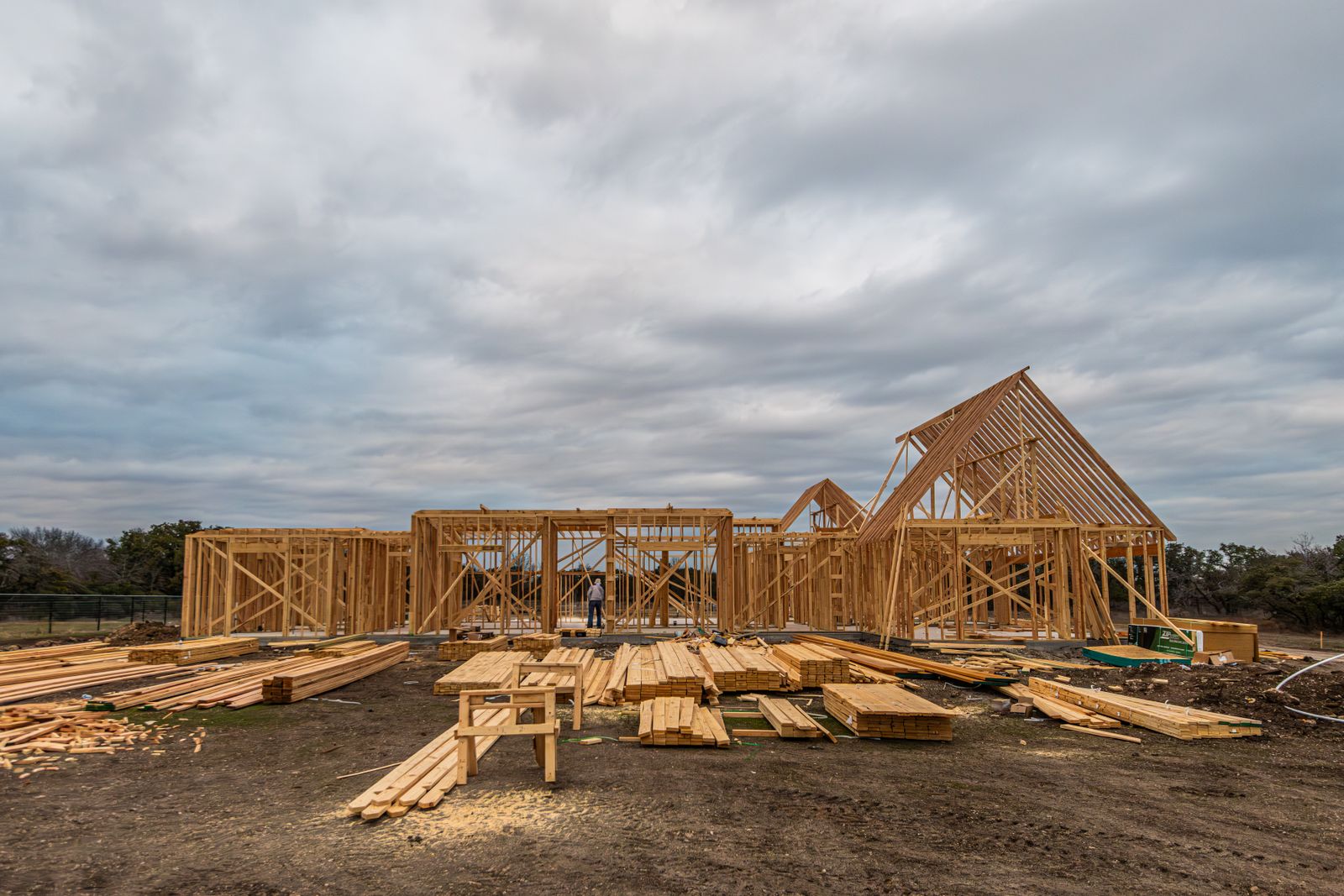
Roof decking, also called roof sheathing, is the wood surface attached to the rafters or trusses beneath the underlayment and shingles. Many Minnesota homes have plywood or oriented strand board (OSB); older houses may have plank boards. Decking provides the fastening surface for shingles and transfers loads to the framing. Replacing shingles does not automatically mean all decking must be replaced.
Signs roof decking may be damaged
Soft or spongy wood, rot, swollen OSB edges, delaminated plywood, sagging between rafters, and fasteners that no longer hold securely are reasons for concern. Water stains in an attic may point to a leak but do not by themselves prove the wood must be replaced. An inspection from inside the attic, when accessible, and examination after tear-off can distinguish staining from actual deterioration. Do not walk on a roof that appears weak or sagging.
When can only a few sheets be replaced?
Localized replacement is often appropriate when water damage is limited to an area around a chimney, roof valley, plumbing vent or eave. The roofer can remove the compromised wood and replace it with suitable decking, with proper edge support and fastening. Broader replacement may be necessary if deterioration is widespread, panels are unsuitable for the framing span, or old planks do not provide an acceptable fastening base for the selected shingles. The decision should follow the exposed conditions, not a blanket sales rule.
Minnesota roof sheathing requirements
Minnesota Rules 1309.0905 specifies that asphalt shingles must be fastened to solidly sheathed decks or 1-inch-thick nominal wood boards. That rule does not mean every plank roof automatically needs new OSB. Deck thickness, framing spacing, fastening, the shingle manufacturer's instructions, and the local building department's requirements still matter. Ask your contractor to confirm the rules for your particular address. Wisconsin projects have their own applicable code requirements.
Why Minnesota weather makes the details important
Snow, freeze-thaw cycles, ice dams and wind-driven rain can expose weak roof details. Water entering around a flashing or backing up at an eave may damage sheathing before a homeowner notices a ceiling stain. If moisture caused the problem, new decking alone will not fix the source. See our guides to roof flashing leaks, ice and water shield, and roof ventilation.
How roofers inspect decking during a tear-off
Before work starts, ask how the crew will handle unexpected wood replacement. Once old shingles and underlayment are removed, the decking can be checked for rot, delamination, poor fastening, unsupported edges and other deficiencies. Damaged areas should be photographed before replacement. New wood must be compatible with the roof structure and roofing system, and the cause of any moisture damage should be addressed before the roof is closed.
What should a roof estimate say about decking?
A clear proposal should explain whether any replacement decking is included, how additional sheets or boards are priced, how quantities are measured, and how changes are approved. Ask whether the unit price includes removal, disposal, new material, labor and fasteners. It is often impossible to know the final number of replacement sheets until the roof is opened. Compare complete scopes rather than only the headline price; our Minnesota roof replacement cost guide explains other variables.
Frequently asked questions
Does every roof replacement require new plywood?
No. Sound decking that meets the applicable requirements can often remain.
Can rotten decking be seen from the ground?
Not reliably. Some sagging is visible, but many defects are concealed until the attic or exposed roof deck is inspected.
Does homeowners insurance cover replacement decking?
It depends on the cause of damage, policy language and claim findings. Wear-related deterioration and storm damage may be treated differently.
Get a roof assessment from Solaris
Solaris provides roofing services in Burnsville, Lakeville and surrounding Minnesota communities, as well as western Wisconsin. We can discuss visible concerns, document conditions and explain how decking changes are handled during your roofing project.